By John Fernandes modified Dec 19, 2025
~ 2 minutes to read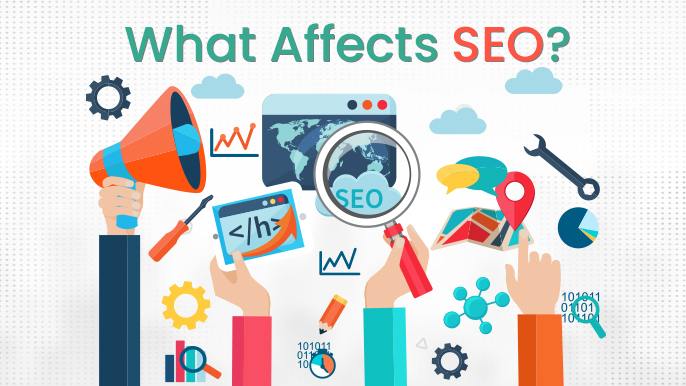
Search engines change fast. Google handles over 16.4 billion searches every single day, and around 90% of users never go past the first page. Many people only click one of the top three results, then stop. That means one thing: your website needs to be easy to find. A small issue can push your pages down. A small improvement can lift them up.
Many beginners also look up How to Rank Higher on Google when they start learning about better SEO practices.
This guide explains the top things that affect SEO. These are the questions people ask again and again. The answers are short and simple. You will also get clear tips on how to fix the problems. No confusion. No heavy words. Just straight help.
Before we go into the top questions, let’s look at the main areas that shape your website’s SEO.
Before you start fixing SEO, check these basics:
Some businesses choose to work with an SEO Company to handle these issues professionally.
SEO is not one thing. It is a mix of different parts working together. When these parts are balanced, your website grows.
This is an overview of what happens on your site. It consists of speed, mobile support, Core Web Vitals, security, crawl errors, and broken pages.
People who care about ranking changes often read about Guide About Google Algorithm Updates to stay aware of what might affect their site.
This involves headings, keywords, content quality, meta tags, pictures and interlinking.
This involves back links of reputable sites, reviews, and the way your brand is presented on the internet.
These are layout, design, easy reading, fast loading, and time spent on our site.
The combination of these four areas working together enhances your SEO automatically.
The search behavior changes annually. Users want faster answers. Google keeps updating its search mechanism. AI devices transform search behavior.
This is what is happening today:
Because of this, many creators study How Do Zero-Click Searches Affect SEO? to understand traffic drops.
Below are the most asked questions about SEO. Each answer is short, simple, and includes a clear fix.
Local SEO requires the same name of business, address, and telephone number to be everywhere. Local keywords, reviews and your Google Business Profile are also helpful. Google examines the distance between your business and the user.
Fix: Keep your details the same on all websites and ask customers for real reviews.
Clear contents, helpful responses, good back-links, and appropriate user-experience are among factors which define SEO ranking. Google displays web pages that are relevant and solve problems fast.
Fix: Write clean, simple content and get links from trusted sites.
Yes. When sites are slow, people exit fast, and this is a bad sign to Google. Quick pages assist users to remain longer and read more.
Fix: Compress images, remove heavy scripts, and choose faster hosting.
Yes. Core Web Vitals test the speed at which the page loads, the consistency of the layout, and the responsiveness speed. Below average scores will reduce your ranking.
Fix: Reduce image sizes, fix layout shifts, and limit extra code.
Meta descriptions do not add ranking, but can get people to click your page. Increased clicks inform Google that your page is useful.
Fix: Write short, clear descriptions that explain the main benefit.
Yes. The longer the users wait, scroll, and read your page, the longer Google believes that your page is useful. When they exit fast, your ranking will go down.
Fix: Use simple words, short sentences, and clear layouts to keep readers engaged.
Yes. A CDN loads your website faster in different regions. Quick site enhances the user experience and helps SEO.
Fix: Use a CDN if users visit your site from many countries.
Your domain name has a small effect on SEO. Good, easy names will make people put their trust in your site and domain keywords do not really matter any more.
Fix: Choose a simple, short, brandable domain name.
Yes. Redesigns may break connections, delete the ancient pages or modify your design. These errors lead to drops in rankings.
Fix: Keep old URLs or use redirects, and protect your important pages.
Yes, but only a little. Google knows about your pictures with the help of image titles and alt text. They are also useful to users who have slow internet or screen readers.
Fix: Use simple file names and short alt text that clearly describe the image.
SEO may sound complex, but most of it comes down to simple things. People want answers fast. They want easy language. They want pages that load quickly and feel clean. When your website gives users a good experience, Google rewards you.
Start with the basics: speed, simple layout, helpful writing, strong links, and correct business details. Fix small issues like broken pages, wrong redirects, or heavy images. Over time, these simple steps help your website grow and stay strong in search results.
If you follow the ideas in this guide, your pages will become more trusted, more visible, and more helpful to users—and that is what SEO is all about.
John Fernandes is content writer at YourDigiLab, An expert in producing engaging and informative research-based articles and blog posts. His passion to disseminate fruitful information fuels his passion for writing.